Noted Indian-American engineer Sanjay Ramabhadran to be next Houston METRO chairman

Noted Indian-American engineer Sanjay Ramabhadran to be next Houston METRO chairman

Reading Time: 2 minutes

Source PTI

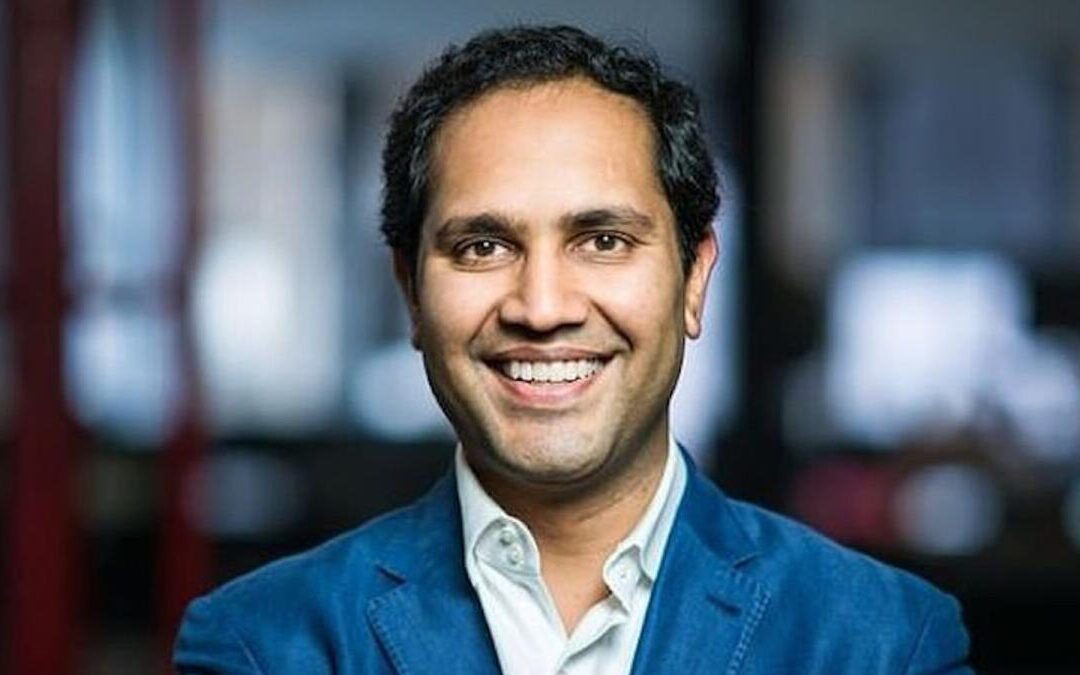
Noted Indian-American engineer Sanjay Ramabhadran has been named as the next chairman of the Metropolitan Transit Authority of Harris County, becoming the first from the community to lead the major public transportation agency in the US state of Texas.

Rambhadran, 51, a registered engineer and a graduate of BITS Pilani and later Texas A&M university, has served on the METRO Board since 2015 and currently serves as the Chair of the Capital & Strategic Planning Committee, a member of the Finance & Audit Committee.

He was tapped on Thursday by Houston Mayor Sylvester Turner as the next chairman of Houston METRO.

The Metropolitan Transit Authority of Harris County is a major public transportation agency based in Houston, Texas, United States. It operates bus, light rail, bus rapid transit, High Occupancy Vehicle lane and High Occupancy Toll lanes, and paratransit service in the city as well as most of Harris County.

Rambhadran, who is also a longtime community leader, past president of Indo-American Chamber of Greater Houston (IACCGH), if elevated, would be the first Indian-American chairman of METRO, and replace Patman, the board’s first female head, who is stepping down following her nomination by the Biden Administration to serve as ambassador to Iceland.

Mayor Turner said he hoped his appointment of both showcased the need for more diversity.

The transit agency, METRO, with an annual budget of USD 1.3 Billion, 4,100 employees, and a 1,300-square-mile service area containing 3.9 million people, has had Black and Latino chairs, along with numerous white men.

Everyone should have a seat at the table, Turner said.

To take effect, METRO board members will vote to make Ramabhadran chairman, where the city holds the majority of seats. Turner would then appoint a new member of the board.

Turner said Ramabhadran, knows how to get people together and knows how to get things done. There is incredible talent in our city. That gives me hope that no matter what challenges we face, we will overcome those challenges if we work together,” Mayor Turner said.

Ramabhadran, has helped oversee the planning, design, construction, and launch of major projects, including METRONext, that enhance mobility throughout the region.

He also worked to expand MetroRapid, the agency’s bus rapid transit (BRT) service.

He is working to enhance the travel time, reliability, and access for 17 of METRO’s high ridership bus routes as part of the BOOST initiative.

“As a prepared and proven leader, Ramabhadran is ready to steer Texas’ largest metropolitan transit authority,” Mayor Turner said.

“His leadership will play a big role in getting the ambitious METRONext and other projects right.”

Ramabhadran’s elevation was also hailed by the Indian-American community.

Jagdip Ahluwalia, founding secretary/executive director, Indo-American Chamber of Commerce of Greater Houston (IACCGH), said: We are proud of Ramabhadran who was our first volunteer when the IACCGH was created in 1999 and rose to serve on the board and lead as president of the Chamber and continues to serve on its board .

“Ramabhadran is a role model for the Indo-American community and a proven leader who will undoubtedly do great things in his new leadership role,” said Tarush Anand IACCGH president.

UCLA-led team gets $8.4 million NIH grant to probe mysteries of Valley fever

UCLA-led team gets $8.4 million NIH grant to probe mysteries of Valley fever

Reading Time: 2 minutes

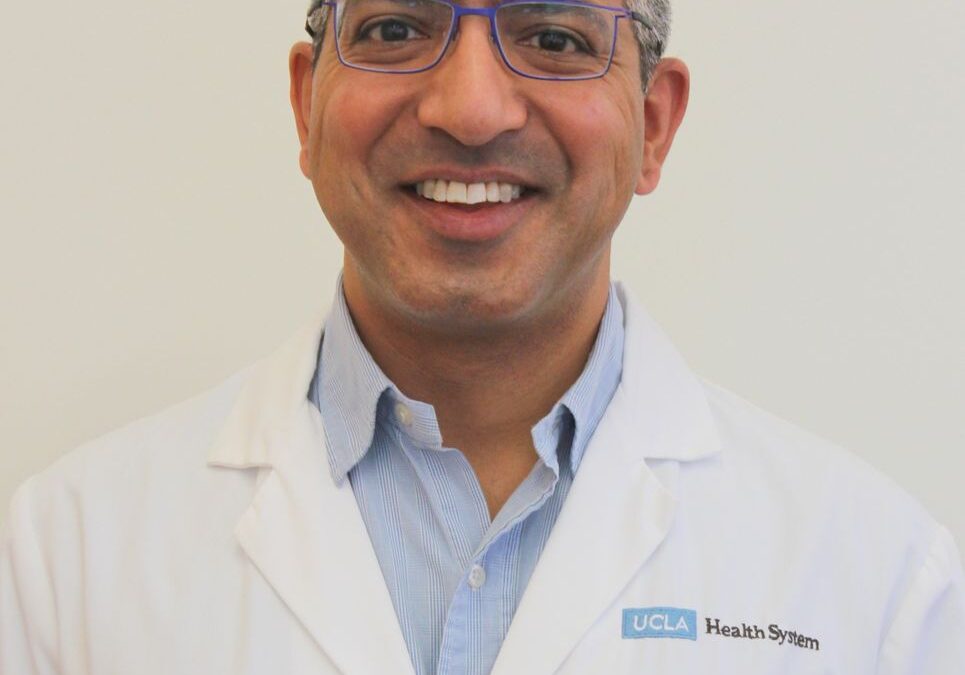
An Indian-American professor at the University of California, Los Angeles, will lead a team looking into the phenomenon of ‘Valley Fever’ after winning a grant of $8.4 million from the National Institutes of Health.

Dr. Manish Butte and his team will be looking into the question – Why do some people infected with Valley fever develop a potentially fatal form of the disease that ravages their body while most experience only mild symptoms or none at all?

The team led by UCLA’s Prof. Butte has been awarded the $8.4 million grant from the National Institute of Allergy and Infectious Diseases will also study other questions related to genetic risk factors and immune responses to the disease, a Feb. 15, 2022 press release from the University said.

(Dr. Manish J. Butte is an allergist-immunologist in Los Angeles, California and is affiliated with UCLA Medical Center. He received his medical degree from The Warren Alpert Medical School of Brown University.)

The disease, which occurs when people breathe in microscopic spores of the fungus Coccidioides that are present in soil, was first identified in Argentina in the late 1800s.

Today, Valley fever is seen in a geographic swath that stretches from South America through Central America and Mexico and into the American Southwest. While people with symptoms usually recover on their own or with the help of antifungal medication, those who develop a severe, or “disseminated,” form of the disease can become severely ill and die.

“Everyone in the endemic areas is susceptible to this infection, but we have almost no ability to predict who will develop disseminated disease and lack an understanding of what part of their immune response fails to control the infection,” Professor  Butte, the E. Richard Stiehm Professor of Pediatric Allergy, Immunology and Rheumatology at the David Geffen School of Medicine at UCLA, is quoted saying in the press release.

The five-year grant will establish a Conccidioidomycosis Collaborative Research Center at which researchers from UCLA and UC San Diego led by Butte will investigate innate and adaptive immune responses to Valley fever, the genomic basis for heightened susceptibility to the disease and the mechanisms that allow the fungus to evade the body’s immune system, the press release detailed. Two similar centers, at UC San Francisco and the University of Texas, San Antonio, will study how the disease attacks the body, and will work to develop therapeutics and vaccines.


Source:UCLA
First woman reported cured of HIV after stem cell transplant

First woman reported cured of HIV after stem cell transplant

Reading Time: 2 minutes

A U.S. patient with leukemia has become the first woman and the third person to date to be cured of HIV after receiving a stem cell transplant from a donor who was naturally resistant to the virus that causes AIDS, researchers reported on Tuesday.

The case of a middle-aged woman of mixed race, presented at the Conference on Retroviruses and Opportunisitic Infections in Denver, is also the first involving umbilical cord blood, a newer approach that may make the treatment available to more people.

Since receiving the cord blood to treat her acute myeloid leukemia – a cancer that starts in blood-forming cells in the bone marrow – the woman has been in remission and free of the virus for 14 months, without the need for potent HIV treatments known as antiretroviral therapy.

The two prior cases occurred in males – one white and one Latino – who had received adult stem cells, which are more frequently used in bone marrow transplants.

“This is now the third report of a cure in this setting, and the first in a woman living with HIV,” Sharon Lewin, President-Elect of the International AIDS Society, said in a statement.

The case is part of a larger U.S.-backed study led by Dr. Yvonne Bryson of the University of California Los Angeles (UCLA), and Dr. Deborah Persaud of Johns Hopkins University in Baltimore. It aims to follow 25 people with HIV who undergo a transplant with stem cells taken from umbilical cord blood for the treatment of cancer and other serious conditions.

Patients in the trial first undergo chemotherapy to kill off the cancerous immune cells. Doctors then transplant stem cells from individuals with a specific genetic mutation in which they lack receptors used by the virus to infect cells.

Scientists believe these individuals then develop an immune system resistant to HIV.

Lewin said bone marrow transplants are not a viable strategy to cure most people living with HIV. But the report “confirms that a cure for HIV is possible and further strengthens using gene therapy as a viable strategy for an HIV cure,” she said.

The study suggests that an important element to the success is the transplantation of HIV-resistant cells. Previously, scientists believed that a common stem cell transplant side effect called graft-versus-host disease, in which the donor immune system attacks the recipient’s immune system, played a role in a possible cure.

“Taken together, these three cases of a cure post stem cell transplant all help in teasing out the various components of the transplant that were absolutely key to a cure,” Lewin said.

Better’s zoom firings in US leave 1,000 more workers in India

Better’s zoom firings in US leave 1,000 more workers in India

Reading Time: 2 minutes

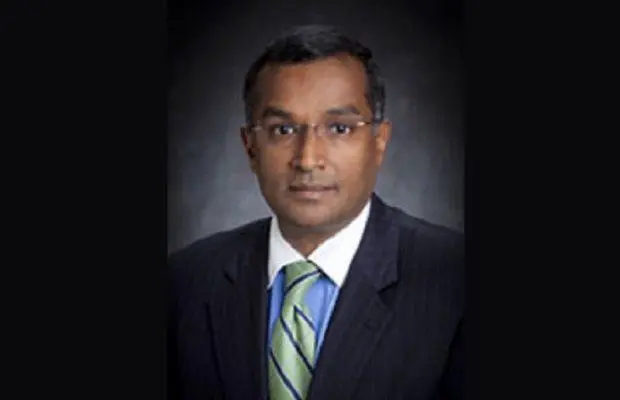
When Better.com Chief Executive Officer Vishal Garg fired 900 staffers on Zoom late last year, the cuts essentially moved a larger portion of its workforce offshore.

The online mortgage lender had been aggressively hiring in both India and the U.S. for most of 2021 to try and keep pace with a wave of refinancing. But a recent regulatory filing shows that Garg’s infamous Zoom cuts — which followed the U.S. Federal Reserve’s sudden switch on interest rates — fell much harder stateside than in lower-wage India.

The geographic shift, which effectively added 1,000 employees in India, could help Better.com stave off a downturn that’s left the company with declining revenue and higher expenses as it prepares to go public. Better.com, in the same U.S. Securities and Exchange Commission filing, disclosed that its fourth-quarter net loss may reach $182 million and that revenue fell as much as 22% from the previous quarter.

Factors including the workforce reduction and negative media coverage “detrimentally affected Better’s productivity and financial results,” the company said, as did rising interest rates and increased competition among lenders.

Garg has apologized for how the firings were handled and took a short hiatus from the company.

Garg didn’t immediately respond to a request for comment left on his cellphone and at his office. A spokeswoman for the New York-based firm didn’t immediately return a telephone call and email seeking comment.

Before the job cuts, Better.com was on a hiring spree as it sought to capitalize on a wave of home mortgage refinancings driven by record-low interest rates. Its workforce roughly doubled during the year to more than 10,000 by November, according to the filing.

By year-end, after Garg’s staff reduction, the company said it had 9,300 staffers. While that was lower than in November, it was still higher than the 8,100 workers it employed as of June 30, SEC documents show.

What mainly changed was the geographic mix. As of June 30, the company had 5,000 employees in the U.S. and 3,100 in India. At year-end, it had about 5,200 in the U.S. and about 4,100 in India, according to the filing. The proportion working in India had increased to 44% at Dec. 31 from 38% at June 30.

India’s reaction come within hours after US ambassador criticised Karnataka govt

India’s reaction come within hours after US ambassador criticised Karnataka govt

Reading Time: 2 minutes

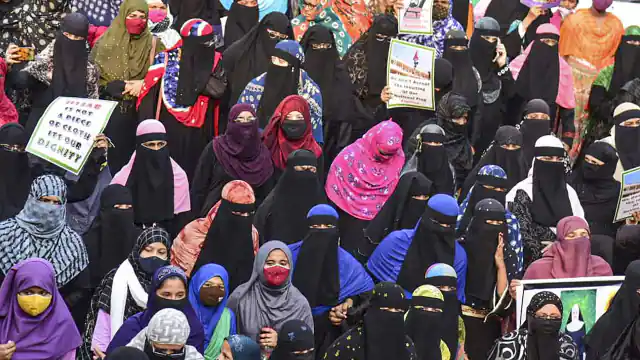
India on Saturday rejected criticism by foreign countries over the row over Muslim girls attending schools wearing headscarves as “motivated comments” on internal matters, and said the matter is being examined by the state high court.

A statement issued by external affairs ministry spokesperson Arindam Bagchi referred to comments by “some countries” on the dress code in educational institutions in Karnataka but didn’t name any particular country.

The statement was issued hours after the US ambassador at large for international religious freedom, Rashad Hussain, said in a tweet that hijab bans in schools violate religious freedom and stigmatise women and girls.

Bagchi said in his statement, “A matter regarding dress code in some educational institutions in the state of Karnataka is under judicial examination by the…High Court of Karnataka. Our constitutional framework and mechanisms, as well as our democratic ethos and polity, are the context in which issues are considered and resolved.”

He added, “Those who know India well would have a proper appreciation of these realities. Motivated comments on our internal issues are not welcome.”

Karnataka has been rocked by the issue, with Muslim girls seeking to assert their right to wear the hijab in educational institutes. The row originated when a group of students in one Karnataka college was barred in December last year from entering classrooms and told not to wear the hijab, a headscarf used by Muslim women. The isolated incident in one college snowballed into a major statewide issue and the controversy spread to some other colleges.

The Karnataka government on Friday night deferred the reopening of educational institutes though the high court, in an interim order, advised authorities to open schools and colleges shut since Wednesday. The state government said the closure will be extended to February 16 as a precautionary measure, though examinations will be held as scheduled and online classes will continue.

The high court’s interim order also restrained students from wearing saffron shawls or hijabs or displaying religious flags within classrooms.

The US envoy for international religious freedom, who assumed office last month, tweeted about the issue of religious freedoms on the same day that external affairs minister S Jaishankar held bilateral talks with US secretary of state Antony Blinken in Melbourne after both leaders participated in a meeting of foreign ministers of the Quadrilateral Security Dialogue or Quad.

“Religious freedom includes the ability to choose one’s religious attire. The Indian state of Karnataka should not determine permissibility of religious clothing. Hijab bans in schools violate religious freedom and stigmatize and marginalize women and girls,” Hussain said in his tweet.

Hussain, who earlier served as former president Barack Obama’s special envoy to the Organisation of Islamic Cooperation (OIC), is the son of Indian-American immigrants. The US Senate voted overwhelmingly last December to confirm his nomination as the US ambassador at large for international religious freedom.

Coronavirus claims over 80,000 lives in second-largest US state Texas

Coronavirus claims over 80,000 lives in second-largest US state Texas

Reading Time: < 1 minute

Coronavirus has claimed more than 80,000 lives in Texas, the second-largest US state, Texas Department of State Health Services announced on Wednesday afternoon.

The official count based on death certificates is 80,005, according to the latest data. Nearly 190 Texans now are dying from the virus each day on average, Xinhua news agency reported.

Moreover, the true cost of Omicron may not be known for months since hospitalizations and deaths lag weeks behind Covid-19 infections and it can take several weeks for fatalities to appear in official death tallies, said a report from the Houston Chronicle.

Texas is tied with California, the largest US state, for the most Covid-19 fatalities in the nation, despite having 10 million fewer residents, said the report.

In Houston, the biggest city in Texas, 90 per cent of Covid-19 patients in intensive care units are unvaccinated, said William McKeon, President and CEO of the Texas Medical Center, representing the city’s major health facilities and teaching hospitals.

“So many people have died as a result of choosing not to get vaccinated,” McKeon added.

Federal health forecasts predict that Texas could log another 4,000 coronavirus deaths by the end of February, said the report.

Credit: IANS