

Over the past decade, enterprise software teams have traded simplicity for scale. Microservices replaced monoliths. Microfrontends fractured UI stacks. CI/CD pipelines multiplied.
The result: more power — and exponentially more coordination overhead.
Now AI is entering that equation. But not as magic code generation. As structured operational leverage.
Forward-looking engineering teams are now pairing GitHub’s AI capabilities with structured repository governance — including instructions.md, skills.md, and AI agents — to move from ad-hoc autocomplete to system-level productivity acceleration across frontend, backend, data, DevOps, platform engineering, and QA.
This is not about “AI writing code.”
This is about AI operating as a disciplined engineering co-pilot embedded into the SDLC.
The Architecture: From Autocomplete to AI-Governed Engineering
At the core of this transformation is GitHub Copilot integrated directly into Visual Studio Code — but with guardrails.
Instead of random prompting, high-performing teams structure AI collaboration through:
instructions.md — Organizational Guardrails
Defines:
-
Coding standards (TypeScript strict mode, naming conventions)
-
Security requirements (no hardcoded secrets)
-
Architecture rules (clean architecture, hexagonal boundaries)
-
Logging/monitoring expectations
-
Test coverage minimums
This becomes the AI’s constitution.
skills.md — Reusable Engineering Capabilities
Defines domain-specific execution modules such as:
-
Generate unit tests (Jest / Vitest)
-
Create TanStack Query data hooks
-
Scaffold REST controllers
-
Build MUI DataGrid tables
-
Create Azure DevOps pipelines
-
Generate KQL queries for App Insights
-
Create Terraform modules
-
Write Playwright e2e tests
These are reusable, version-controlled AI capabilities — not one-off prompts.
Agents — Autonomous Task Executors
Agents combine:
-
Context from the repo
-
Defined skills
-
Org instructions
-
Goal-based prompting
They operate closer to “junior engineers with boundaries” than autocomplete tools.
Impact Across the SDLC
Let’s break down where acceleration becomes measurable.
🎨 Frontend Engineering
Acceleration Areas:
-
React + TypeScript scaffolding
-
MUI component composition
-
Form validation logic
-
TanStack Query data hooks
-
Accessibility checks
-
Unit test generation
AI generates:
-
Typed API hooks
-
Mutation logic
-
Error boundary
-
Skeleton loading states
-
Test scaffolding
Impact:
30–50% reduction in repetitive boilerplate coding.
⚙️ Backend Engineering
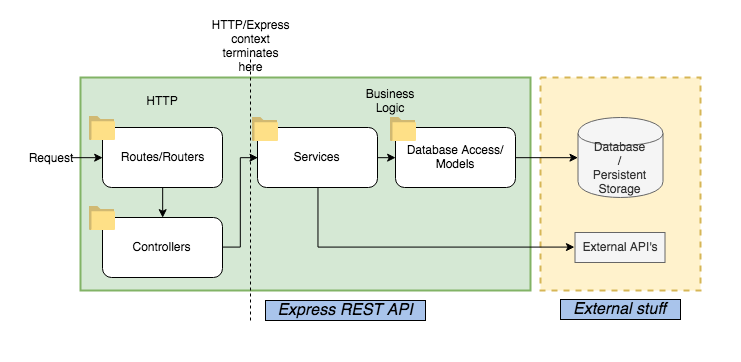
Acceleration Areas:
-
REST endpoint scaffolding
-
DTO generation
-
Validation schemas
-
Logging integration
-
Swagger documentation
-
Unit + integration tests
With structured skills:
AI ensures:
-
No business logic in controllers
-
Services follow dependency injection
-
Error handling is standardized
-
Tests hit coverage thresholds
Impact:
Reduced PR review cycles, improved architectural consistency.
📊 Data Engineering
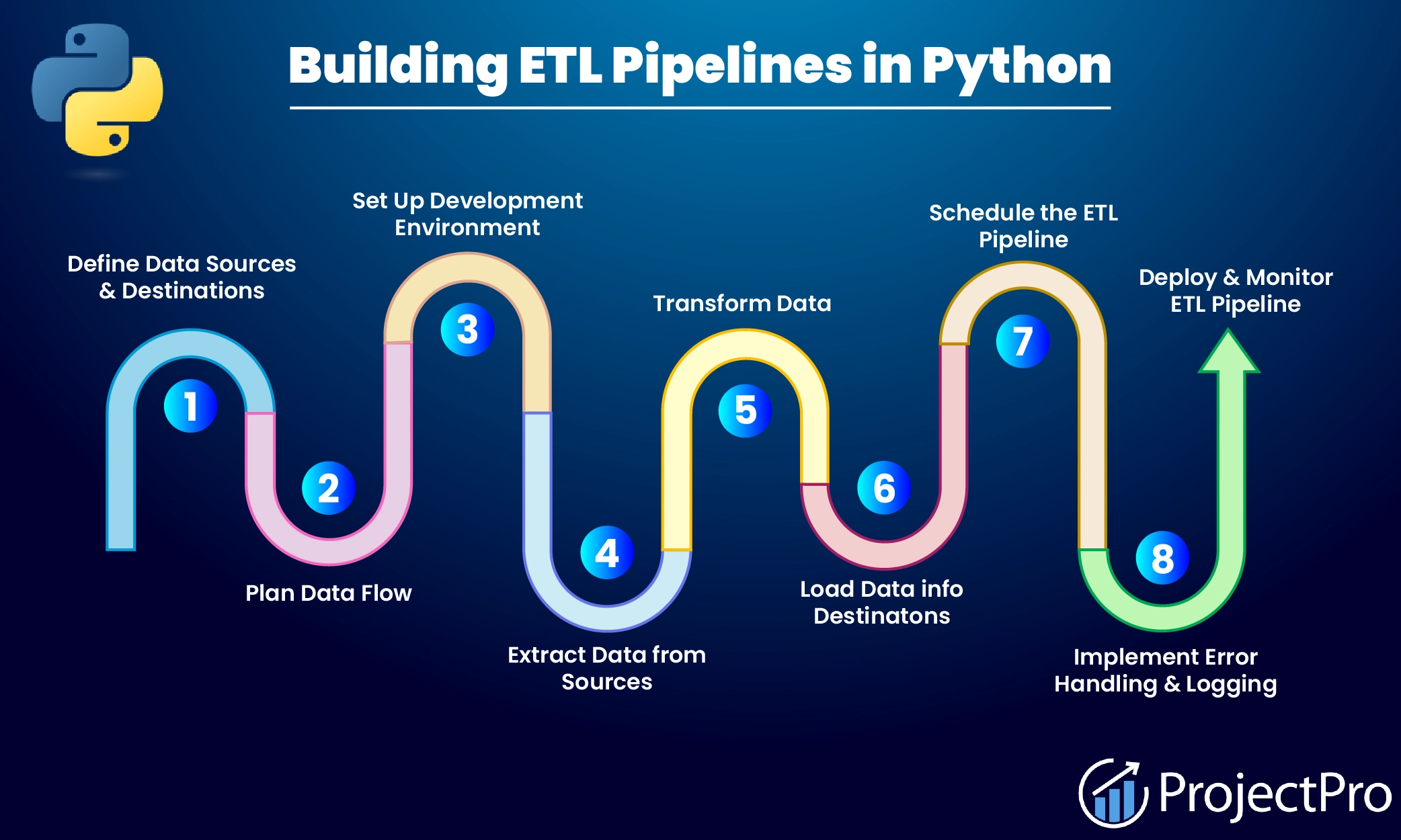
Acceleration Areas:
-
SQL query generation & optimization
-
ETL scaffolding (Python / Spark)
-
Data validation scripts
-
KQL observability queries
-
Data contract definitions
Using skills.md, teams can define:
-
“Generate incremental ETL job”
-
“Create anomaly detection query”
-
“Write dbt model with tests”
Impact:
Faster experimentation + safer production pipelines.
🏗 Platform Engineering & DevOps
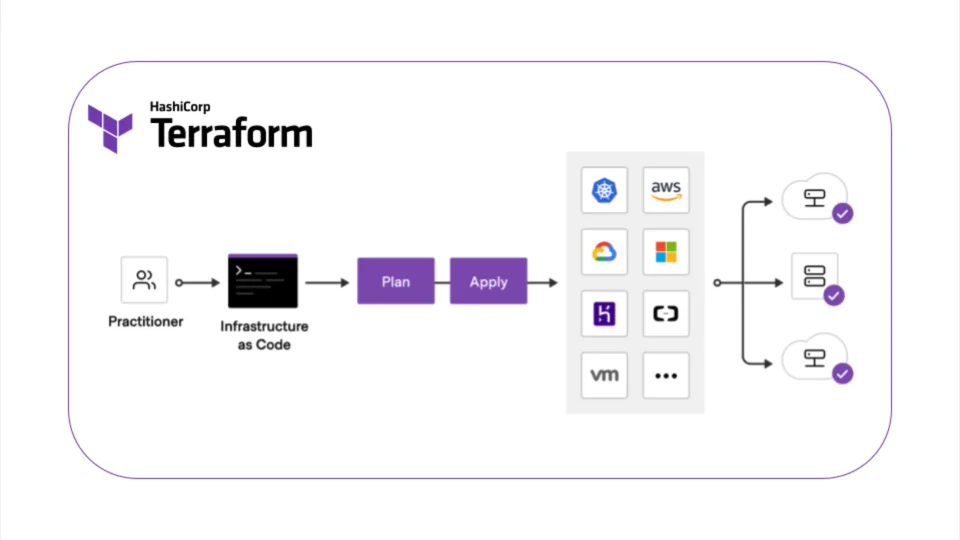
Acceleration Areas:
-
CI/CD YAML pipelines
-
Dockerfiles
-
Terraform modules
-
Kubernetes deployment specs
-
Environment flag configurations
-
Feature flag templates
AI enforces:
-
Naming conventions
-
Security best practices
-
Environment separation
-
Logging instrumentation
Impact:
Standardized infrastructure without tribal knowledge bottlenecks.
🧪 QA & Test Automation
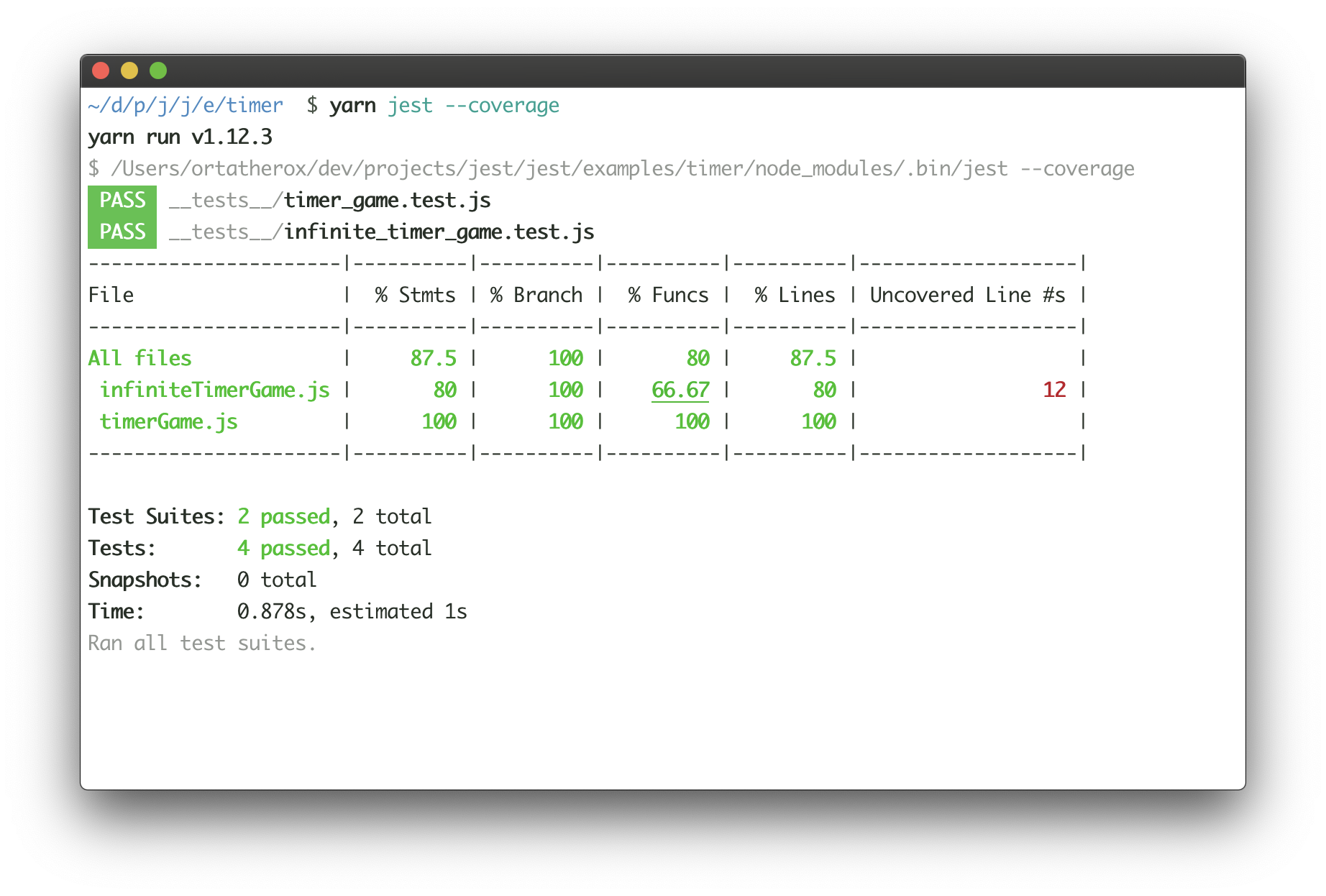
Acceleration Areas:
-
Unit test generation
-
API test scaffolding
-
Playwright e2e scripts
-
Mock generation
-
Boundary test case creation
With skills:
-
“Generate negative test scenarios”
-
“Create boundary condition tests”
-
“Produce mutation test cases”
Impact:
Test coverage increases without proportional QA headcount growth.
Enterprise Governance: Why Structure Matters
Random prompting leads to:
-
Inconsistent architecture
-
Security risks
-
Hallucinated libraries
-
Poor maintainability
Structured Copilot integration ensures:
| Layer | Governance |
|---|---|
| instructions.md | Organization-wide engineering rules |
| skills.md | Version-controlled AI capabilities |
| Agents | Task-based execution |
| Repo Reviews | Human validation |
This moves teams from AI-assisted coding to AI-governed engineering operations.
The shift isn’t about replacing engineers. It’s about flattening the skill gradient. Junior developers execute senior-level scaffolding patterns because the system enforces them. Architecture becomes encoded — not tribal.
Quantifiable Benefits
Teams piloting structured AI governance models report double-digit improvements in delivery velocity, with some organizations citing 30% reductions in repetitive coding time.
The Bigger Shift: AI as an Engineering Multiplier
The real shift isn’t speed.
It’s consistency at scale.
When AI:
-
Understands your architecture,
-
Respects your repo standards,
-
Executes reusable skills,
-
And operates within defined constraints —
It becomes a force multiplier across the entire SDLC.
0 Comments